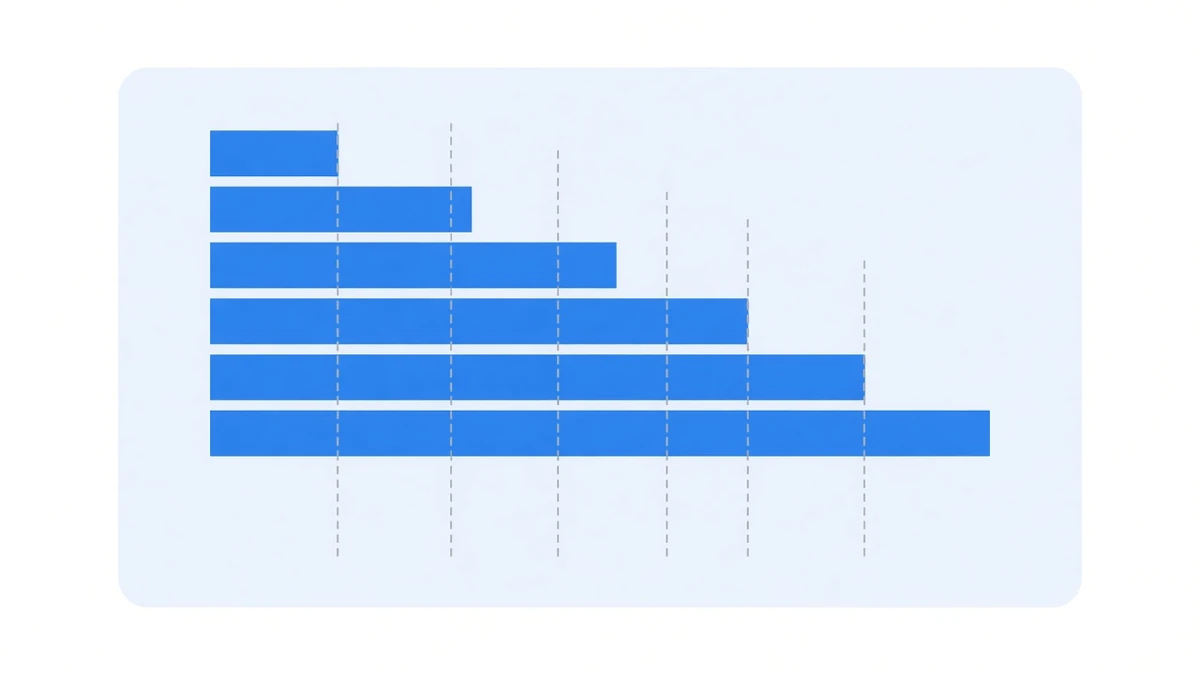
Binance announced on 22 September that leverage and margin tiers for COOKIEUSDT, TLMUSDT, EPICUSDT, RAVEUSDT, DODOXUSDT, MOVEUSDT, SOPHUSDT, AVAUSDT, AWEUSDT, ARKUSDT, B2USDT, UAIUSDT, VELODROMEUSDT, BLURUSDT, MOVRUSDT and LSKUSDT — 16 USD-M perpetual contracts — change on 25 September 2026 at 14:30 UTC+8 (06:30 UTC), expected to complete within an hour. One line in the notice matters: positions opened before the update are affected too, and users are advised to adjust in advance.
Notices like this are easy to skim past as routine maintenance. For a matched book they are not.
Why a tier change lands directly on the perp leg
Margin tiers decide two things: how much initial margin a given notional consumes, and what maintenance margin rate applies to it. The second goes straight into the liquidation-distance formula:
liquidation distance ≈ 1 / multiple − maintenance margin rate
That formula is unpacked in both legs are balanced, so why did the position get liquidated. The key point is that the exchange computes margin per account, and the futures account sees only a lone short — it does not know you hold matching spot next door. Change the tiers and that line moves without you touching anything.
So the right response is not scan the list for my symbols. It is: if one of them is yours, recompute the margin buffer before it takes effect.
But first, a different question: are these 16 worth holding?
Summing each contract’s per-settlement funding for the year (window 2026-01-01 to 09-24 03:00 UTC). One caveat first: our database covers only 12 of the 16. RAVEUSDT, DODOXUSDT, B2USDT and UAIUSDT have no settlements at all in our collection, and are excluded below.
| Contract | Periods | 2026 cumulative | Share of periods negative | Lowest period |
|---|---|---|---|---|
| VELODROMEUSDT | 1,597 | +8.1714% | 0.38% | −0.0187% |
| COOKIEUSDT | 1,597 | +7.2424% | 14.28% | −0.0765% |
| MOVRUSDT | 1,597 | −1.0185% | 12.84% | −0.9610% |
| AVAUSDT | 1,597 | −3.1345% | 5.64% | −1.0803% |
| EPICUSDT | 1,641 | −8.8015% | 22.55% | −2.0000% |
| ARKUSDT | 1,660 | −19.7542% | 23.61% | −2.0000% |
| AWEUSDT | 1,597 | −21.9448% | 11.96% | −1.5455% |
| SOPHUSDT | 1,676 | −33.6536% | 39.92% | −2.0000% |
| BLURUSDT | 1,369 | −36.7924% | 48.06% | −2.0000% |
| MOVEUSDT | 1,633 | −41.7142% | 51.87% | −2.0000% |
| TLMUSDT | 1,438 | −47.5679% | 36.93% | −2.0000% |
| LSKUSDT | 1,816 | −75.0223% | 48.18% | −2.0000% |
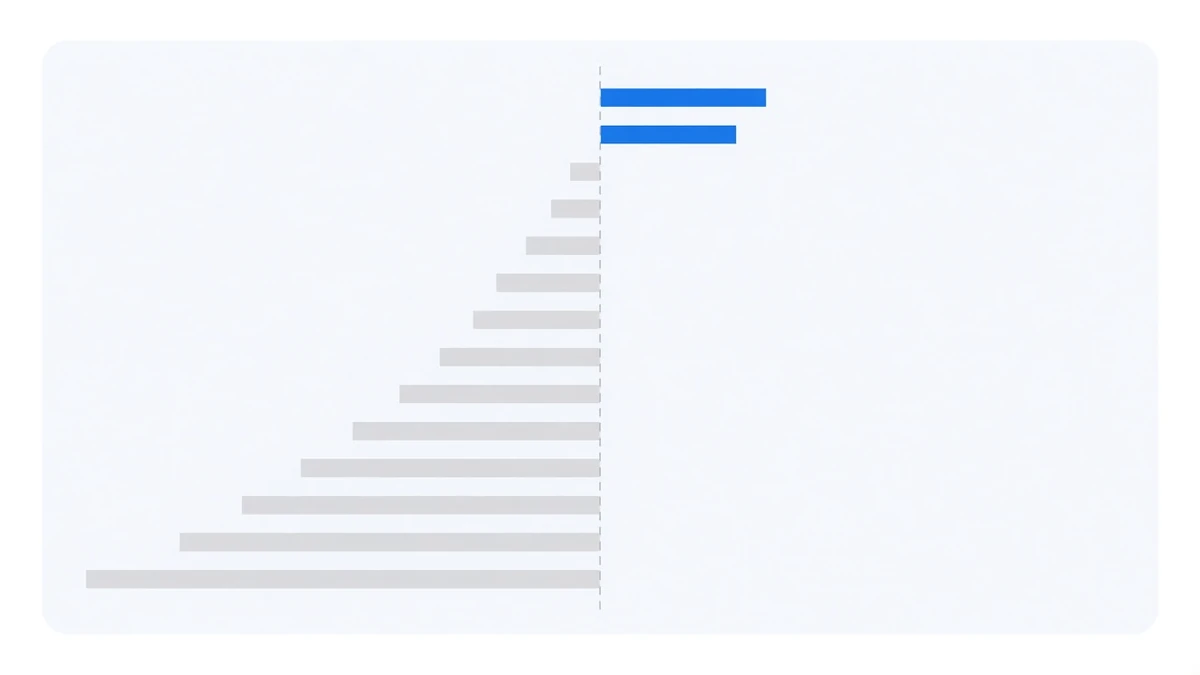
Two of the twelve are positive this year. And those seven suspiciously round −2.0000% entries are not market prints — that is Binance’s hard floor on a single period. Seeing it means the real pressure was truncated and the situation was worse than the books show.
Put them back against the whole market
| Group | Contracts | Mean | Median | Positive this year |
|---|---|---|---|---|
| This batch (12 in our database) | 12 | −22.8325% | −20.8495% | 2 |
| Everything else | 438 | −8.7840% | −0.4489% | 204 |
The market-wide median is −0.4489%; this batch is −20.8495% — an order of magnitude apart. To be explicit: this is not a causal claim. We cannot infer from a notice what criteria the exchange used to pick these 16, and the notice does not say. What can be said is that the batch selected for re-tiering happens to be a batch whose funding this year is markedly worse than the market’s.
The full distribution across all 450 contracts is in summing 2026 funding contract by contract.
What it means for a position
Two cases, handled separately:
- You hold one of the 16. Effective 25 September 06:30 UTC, and existing positions get re-mapped onto the new tiers. Recompute the liquidation distance before then and top up margin if needed. Do not wait until after — the notice says the update takes about an hour, and the market does not pause for it.
- You do not. The table is still worth a look, for a different reason: when these tickers show up on a funding leaderboard, check the year’s cumulative and the share of negative periods before deciding to go in.
For what it is worth, we do not use leverage ourselves, so a tier change affects the margin our perp leg consumes rather than any multiple; how the two legs are placed is in how it works.
What to watch next
- Margin consumption either side of 25 September 06:30 UTC. Same notional, measured before and after.
- Whether any of this batch is later moved to a shorter settlement interval. Tighter tiers and higher settlement frequency tend to arrive on the same names.
- The four contracts we cannot see. Our collection list follows the exchange’s current contract list; absence may mean they are newly listed or named differently, and we will check on the next collection pass.
Sources: notice details (contract list, effective 2026-09-25 14:30 UTC+8, expected to complete within an hour, open positions affected) per Binance’s 2026-09-22 announcement, Update on the Margin Tiers of USD-M Perpetual Contracts (2026-09-25), cross-checked against PANews and BBX; the contract list is identical in all three. Per-settlement funding rates come from our own collection database (sourced from Binance’s public USD-M endpoints), window 2026-01-01 00:00 UTC to 2026-09-24 03:00 UTC, cumulative figures are sums of periods, not compounded. Four of the 16 contracts (RAVEUSDT, DODOXUSDT, B2USDT, UAIUSDT) have no settlement records in our database for that window and are excluded. Everything else means the 450 contracts with data in the window minus the 12 listed above. The plus or minus 2% bound is Binance’s per-period funding cap and floor. The liquidation-distance formula is simplified and excludes fees and unrealised PnL. Contract tickers are shown to document the data, not as recommendations. Past data does not indicate future returns.