What moved, and who it touches
Public observations of BTC price, funding rates and open interest, plus a log of system changes. Newest first, never edited after the fact.
Binance Delists Three Perpetuals: In the Final Hour, the Insurance Fund Steps Back
Liquidation in the last hour before a delisting runs on different rules. The insurance fund does not support it, liquidation goes out as a single IOC order, and whatever is left goes to auto-deleveraging — and two of the three contracts were the top two on our trailing-30-day funding table.
Binance Listed a Stock Perpetual Ticking USDE: The Underlying Trades Five Days a Week, Funding Charges Seven
A TradFi perpetual listed on 6 October shares a ticker with Ethena's USDe. It tracks a Nasdaq-listed stock, trades around the clock and settles funding every eight hours, while the equity behind it opens five days a week.
Nineteen Coin-Margined Contracts Logged "Collection Started" Every 15 Minutes and Stored Nothing
No exception, no warning — the only trace was a log line reporting success. Meanwhile the row count for those contracts stayed at zero. This failure mode is considerably harder to spot than an error.
The Liquidation Map Says Longs Are Fragile, Funding Says They Are Not Crowded
Eighty-three percent of modelled liquidation levels sit below price. That normally reads as crowded long leverage, yet BTC perpetuals accrued just 0.060452% across seven days, about a seventh of September's full month. The two positioning gauges disagree.

On the Day Treasury Yields Hit a 24-Year High, Here Is What 534 Contracts Paid
Three quarters of settlement periods are positive; the yearly average is not. Both hold at once, so the negative periods are far larger. Longs paying shorts is a fact about BTC, not about the market.
Binance lists HYPE spot a year after the perpetual; half of the next 16 funding settlements were negative
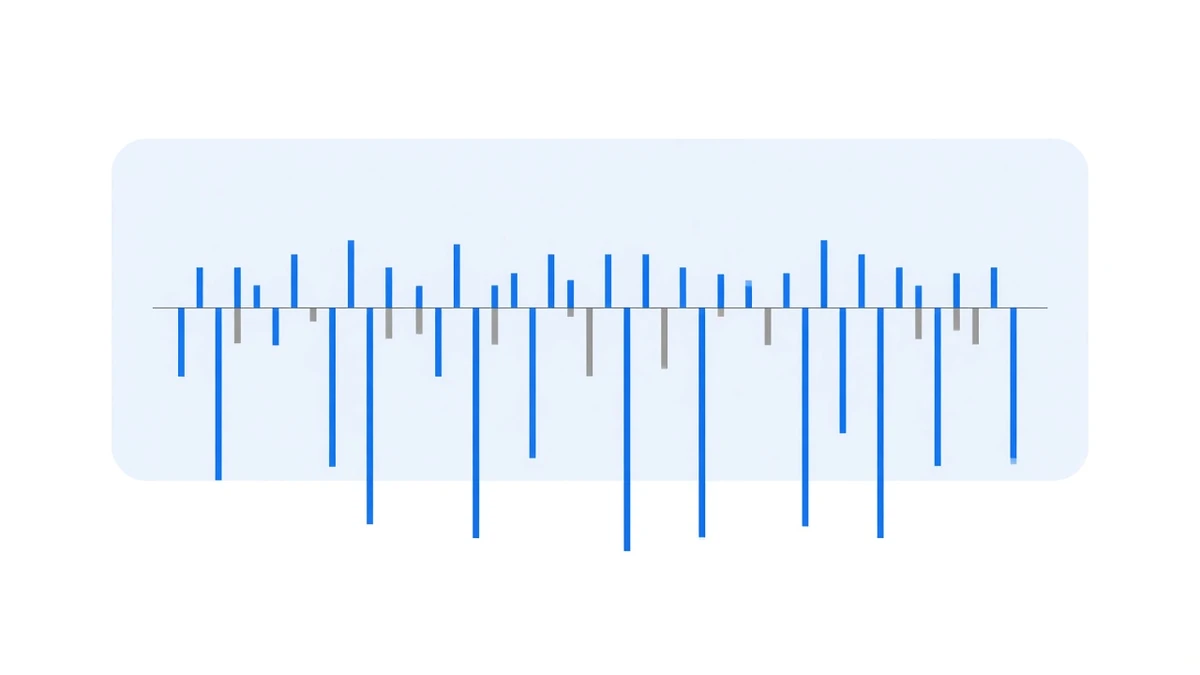
Binance listed HYPE spot on 24 September, a year after the perpetual. In the 30 days before the 11:00 UTC listing, 20 of 180 settlements were negative; in the 16 after, to 00:00 on the 27th, 8 were, for −0.0154%. Only two and a half days, but pointing the way a new spot leg would.
BTC funding turned negative twice in two days. At those settlements, only 32 and 22 of 447 contracts did
BTC went negative; the rest of the market did not. Binance BTCUSDT settled at −0.000574% on 25 September and −0.000545% on 26 September at 16:00 UTC, its first negative periods since 5 September. At those two settlements only 32 and 22 of 447 contracts were negative, and the median stayed at 0.005000%.
ENA is up 58% in 30 days, yet none of 180 perpetual settlements rose above baseline; Ethena ends USDe token incentives at month-end
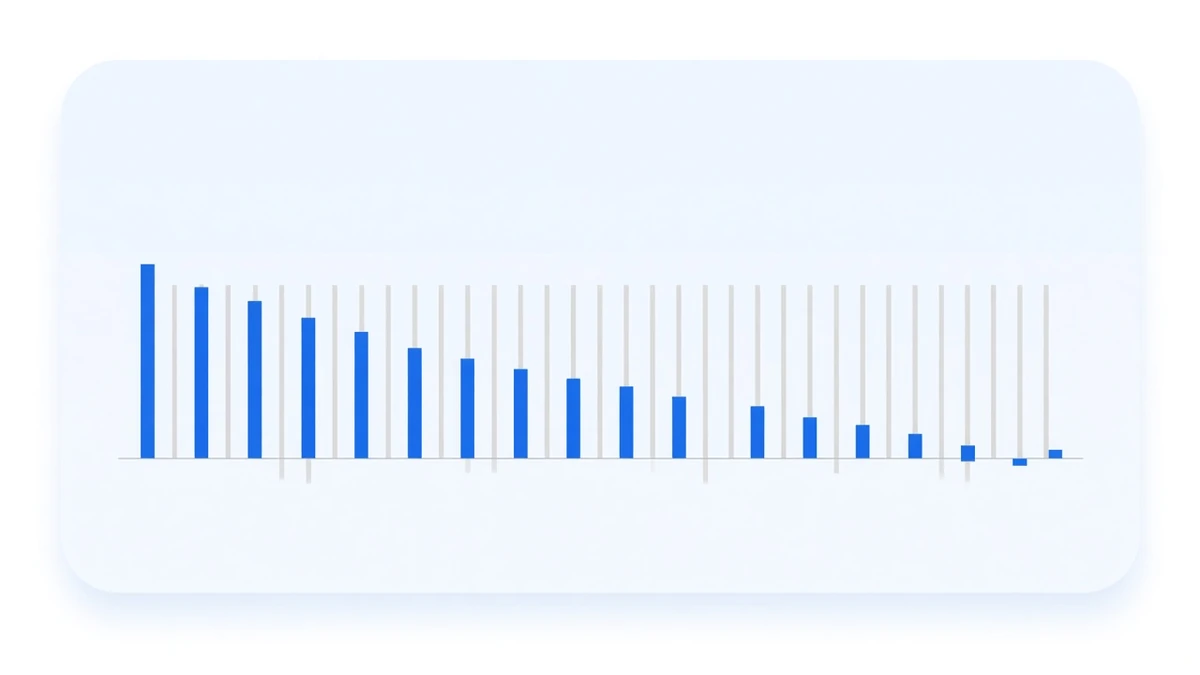
Ethena says USDe-linked token incentives and inflation go to zero at month-end. In the same month ENA rose 58% on our mark prices, yet none of ENAUSDT's 180 settlements rose above the 0.005% baseline and 35 were negative. Price went up; leveraged longs did not pile in.
Ether ETFs take $690 million in a week; not one of ETH's 19 perpetual settlements reached 0.01%
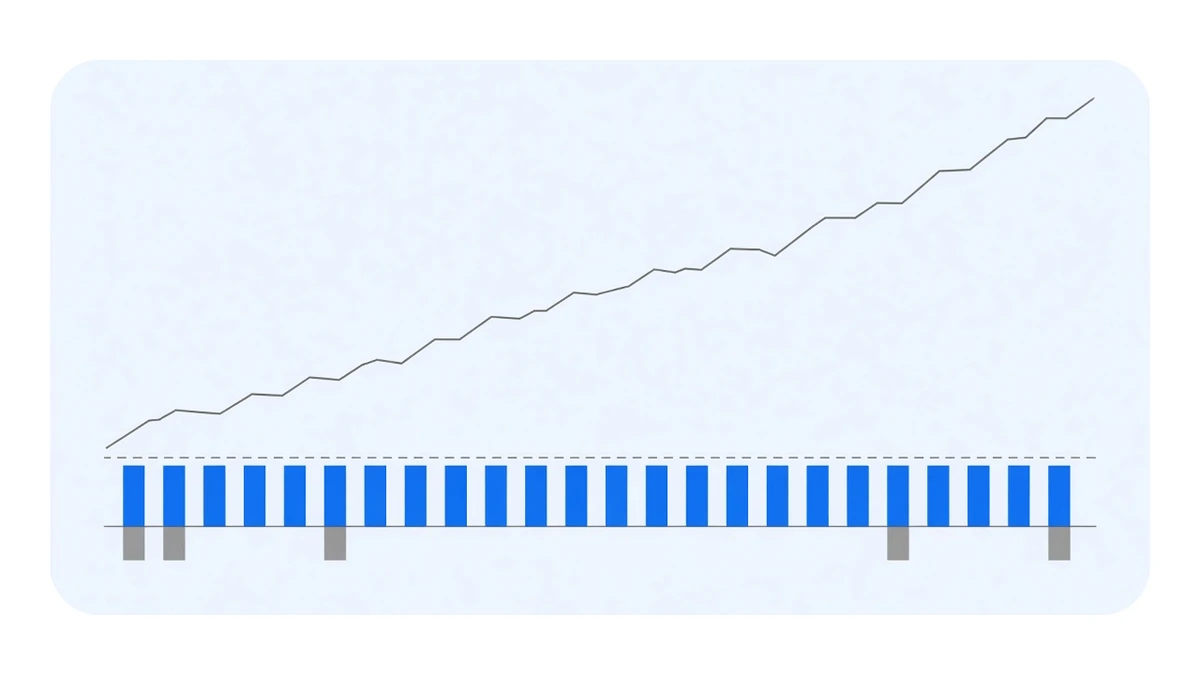
Spot ether ETFs took about $690 million in the five days to 25 September. Binance ETHUSDT settled positive all 19 times that week but never reached the 0.01% baseline, which by the formula means the perpetual traded below spot all week. Only 42 of 808 settlements this year have.
Ethena moves USDe's hedge into equity perpetuals, citing 11% a year; the one equity perp we track, HOOD, is at +0.48% for 2026
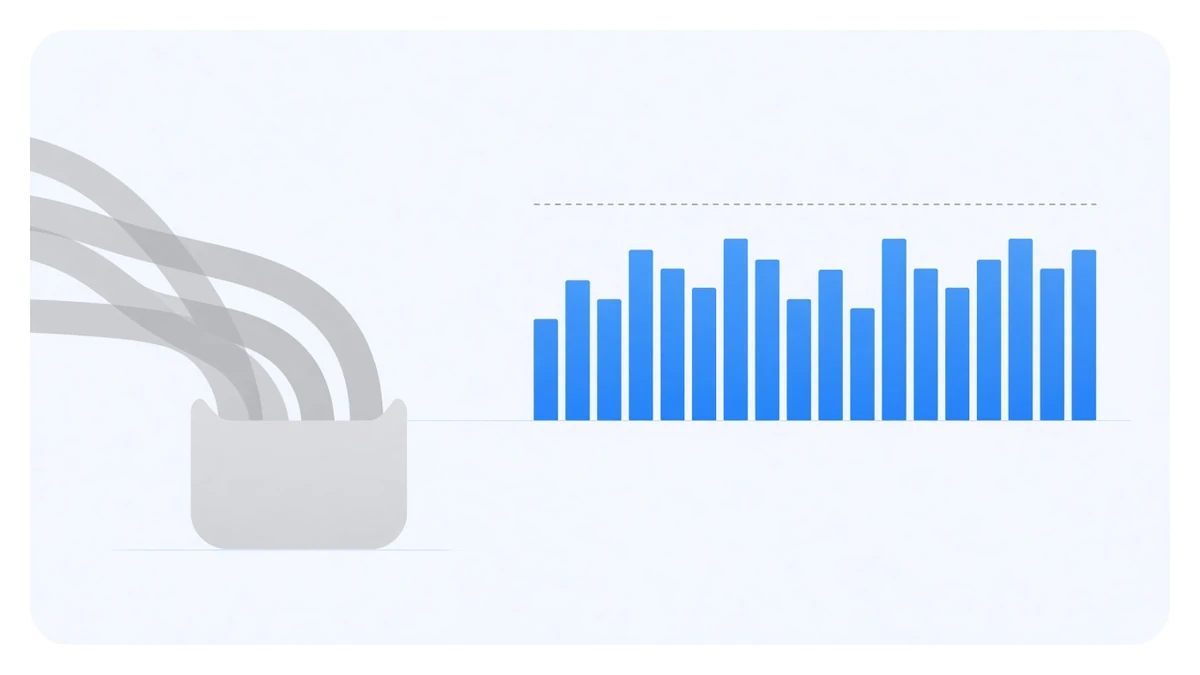
Ethena is extending USDe's basis trade to Binance's equity perpetuals. It cites about 11% a year over six months. HOODUSDT, the only equity perpetual we collect, is at +0.48% over 711 settlements since February; 62% of them were exactly zero, and the largest all fell on Monday 00:00 UTC.
Solana ETFs take a record $86.67 million in a day, while SOL perpetual funding is still −0.86% for the year
US spot Solana ETFs took $86.67 million on 25 September, their best day yet. That day Binance SOLUSDT settled at −0.004015%, 0.01% and 0.01%. Over the year, 393 of 808 settlements were negative for a total of −0.86%, the only negative figure among the four majors.
Binance re-tiers 16 perpetuals tomorrow: of the 12 we can see, 10 have been paying out all year
The margin ladder is moving. Check the contract before you recalculate the liquidation distance. Binance announced on 22 September that leverage and margin tiers for 16 USD-M perpetuals change on 25 September at 14:30 UTC+8, and open positions are affected. Our database covers 12 of the 16; only 2 are positive on funding this year, median -20.85%.
$444m of longs liquidated: BTC funding fell to 0.000132% over four periods and never turned negative
The long side got cleared out. Funding collapsed with it and still did not go negative. On 23 September the US composite PMI hit 58.4 and the 10-year yield broke 5.10%; roughly $444m of longs were liquidated in 24 hours. BTC funding fell from 0.010000% to 0.000132% in four settlements, 0.14% annualised, while the median across 447 contracts stayed at 0.005000%.
The same day's ETF inflow, two data sources $380m apart — and only one reading on the perpetual side
Two data sources put Monday's spot Bitcoin ETF inflow $380m apart. Farside and SoSoValue report $998.95m for 21 September; CoinGlass reports $617.58m. Aggregate perpetual open interest rose 7.6% the same day, and Binance BTCUSDT paid 0.020447% across its three settlements.
26.22% of BTC funding periods were negative in 2026, the highest in six years — and they cluster in February to April
209 of BTC's 797 settlements this year were negative, 26.22% of them. That is above the 22.10% of the 2022 bear market. But the negative periods are not spread evenly: April alone ran 64.44% negative, while August had none at all.
181,896 BTC of options expire on 25 September, 41.5% of the year — the perpetual settles three times that day, as always
Friday's quarterly BTC options expiry holds 181,896 BTC of open interest. That is $14.39bn of notional and 41.5% of all BTC options open interest. Options end on that date; perpetuals do not — and the difference is the whole point for a balanced book.
The CFTC sent its crypto market rulemaking to the White House — and funding has not printed a single negative period since the vote
The CFTC's crypto market rulemaking entered White House review on 17 September. RIN 3038-AF80 is still at the prerule stage with no public text. Over the same stretch Binance BTCUSDT settled 22 times for a cumulative 0.151008%, with no negative period at all.
A market site quoted ETH funding at 0.0089%. Our record for that period is 0.008935% — but the day had three of them
A market site quoted ETH funding at 0.0089% for Monday. Our record for the 16:00 UTC period is 0.008935%, so it reconciles. But the day settled three times for a combined 0.025761%, and across the week the mean period was only 0.005899%.
Binance exempted two batches of TradFi perpetuals from the auto-switch-to-hourly rule — and the 95 contracts that rule did catch were paying out nine times in ten
Binance moved 18 TradFi perpetuals from 8-hour to 4-hour funding. The caps came down from ±2% to ±1%. The line that matters is elsewhere in the notice: these contracts are exempt from the rule that shortens the interval from four hours to one when a prior settlement hits the cap or floor. The 95 contracts that did get switched to hourly funding this year ran 89.25% negative.
$648m of shorts liquidated and BTC cleared $86k — and the week's lowest funding period landed exactly on the breakout
BTC cleared $86,000 on 21 September on a short squeeze. Some $647.9m of shorts were liquidated in 24 hours, about 87% of all forced closures. Yet Binance BTCUSDT settled at 0.0042% / 0.0100% / 0.0055% that day — the lowest of the week fell on the breakout itself. Market-wide, negative periods kept shrinking while the median did not move for three straight days.
The perpetual is cheaper than spot and longs still pay: BTC at −0.0147%, funding at +0.01%
The perpetual traded below spot, and longs still paid. At 08:07 UTC Binance BTCUSDT marked 12 dollars under its index, a premium of -0.0147%, while funding read a capped +0.01%. Substituting that premium back into the clamp formula reproduces the reading exactly.
Leveraged funds trimmed 7,275 BTC of net short; perpetual funding did not move
Positioning moved on regulated futures; perpetual funding did not. The CFTC 15 September snapshot shows leveraged funds cutting net shorts by 7,275 BTC-equivalent while asset managers cut net longs by 4,733, yet four of six Binance settlements equalled 0.01% exactly.
$401m liquidated in 24 hours: ETH shorts hit twice as hard, funding still under baseline
Liquidations reached $401 million over 24 hours, $241 million of it shorts. On ETH specifically, $80.05 million of shorts went against $39.65 million of longs, while Binance ETHUSDT read just 0.009345% with five of its last six settlements below baseline.

Hyperliquid's record $16.36bn open interest; the public API returns $13.08bn
Hyperliquid's open interest hit a record $16.36bn on 19 September. Summing all 234 core perpetuals from its own public endpoint at 08:07 UTC today returns $13.08bn, and the missing three billion sits in the HIP-3 layer rather than the core book.

OKX lists three perpetuals that expire: X-Perps charge funding and deliver in five years
OKX opened SEIUSD, AGLDUSD and CFXUSD X-Perps from 08:00 UTC today. They charge funding every eight hours the way a perpetual does, while carrying a fixed delivery date 60 months from issuance and settling in USDC, USDG or USD.
Of Binance's 908 contracts, 233 perpetuals run on an interest rate of zero
237 of Binance's 908 USDT-margined symbols return an interest rate of 0. That one field decides where a contract's funding dead band gets pinned. BNBUSDT printed exactly zero on 423 of this year's 788 periods; BTCUSDT did not do it once.
$592M flowed back into the ETFs in two days; BTC funding just sat pinned to baseline
US spot bitcoin ETFs took in roughly $592M across 17 and 18 September. That covered the $746M which had left over the two days before, yet BTC perpetual funding printed exactly 0.010000% four periods running, and the period now underway has slipped back to 0.008140%.
Same BTC, same second: the perpetual at a discount, the quarterlies at a premium
Binance's current-quarter contract settles at 08:00 UTC on 25 September. Its basis converges to zero at that instant. Pulled at one moment, the perpetual's mark sits 0.0458% under the index while the next-quarter contract trades 1.3875% above it, or 5.29% annualised.

Funding rates arrive in FX: Binance caps its USDBRL perpetual at ±0.375%
Binance announced FX perpetual futures on 18 September. The first contract, USDBRLUSDT, goes live 21 September at 14:00 UTC with 8-hour funding, a ±0.375% cap and up to 100x. That cap is tighter than its own TradFi perpetuals.
ETFs shed $746M in two sessions while open interest rose: money left, leverage did not
US spot bitcoin ETFs saw $746.3 million of net outflows on 15 and 16 September. Futures open interest rose over the same stretch and perpetual CVD was negative — yet funding did not turn negative in any of the ten settlements.

BTC back above $80k: 89% of the liquidations were shorts, and funding fell below baseline
BTC rose 6% through $81,000 on 18 September. Shorts were roughly 89% of the 24-hour liquidations and open interest climbed 8.21%, yet Binance's BTCUSDT settled at 0.006853% — under the 0.01% interest rate, meaning the perpetual traded at a discount.
Bybit built options on top of perpetuals: the underlying is a contract that charges funding
Bybit launched Perp Options on 17 September at 20:00 UTC. The first underlyings are its own SpaceX and Nvidia perpetuals, not the shares. Swap the underlying for a perpetual and the option's carry gains a funding rate.
The Fed hiked, the liquidated side flipped to shorts, and funding never moved
The FOMC voted 12–0 to lift the target range to 3.75%–4.00%. Shorts outweighed longs in the liquidations that followed on 17 September, yet the highest of BTC's ten funding settlements was only 0.009812%.
One contract, four delistings, 23 days apart, and three settlement conventions
ICXUSDT perpetuals were retired in four batches across four exchanges. KuCoin went first on 26 August and Bybit last on 18 September, the settlement conventions differ, and OKX still charges funding at the moment of delisting.
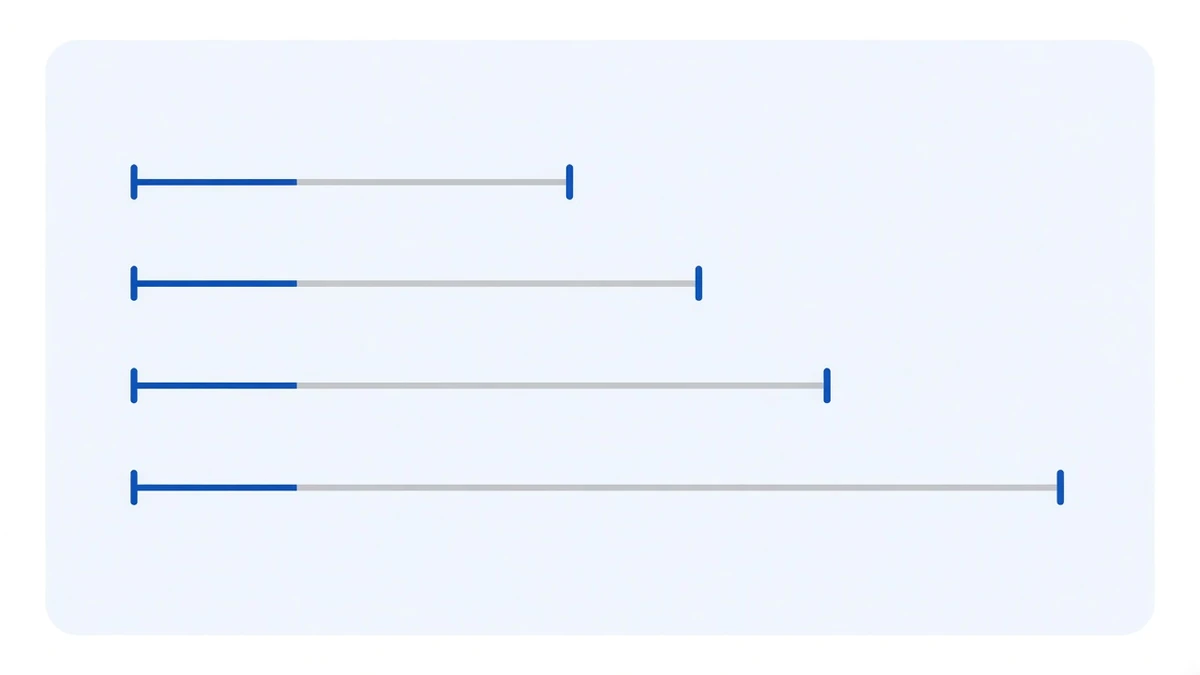
Binance removes five margin pairs: the spot leg gets three hours it cannot touch
Five cross-margin pairs go at 06:00 UTC on 18 September. Open positions are closed automatically and orders cancelled over roughly three hours. For a one-sided position that is a notice to switch pairs; for a two-leg structure it is not.
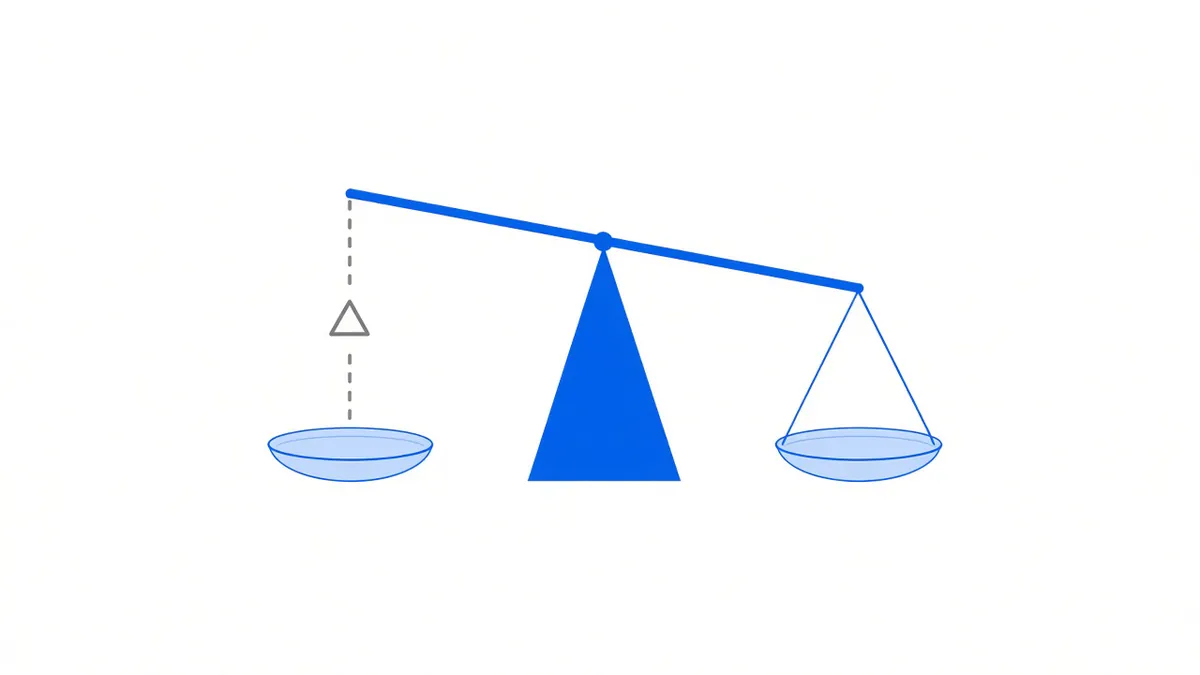
Binance moved two batches of perpetuals to 4-hour funding: same 0.01%, double the annualised
The settlement clock changed; the rate on screen did not. Binance has moved 18 TradFi perpetuals across two batches from 8-hour to 4-hour funding, with caps and floors reset to ±1.00%. This is a parameter that can put an annualised figure out by a factor of two.
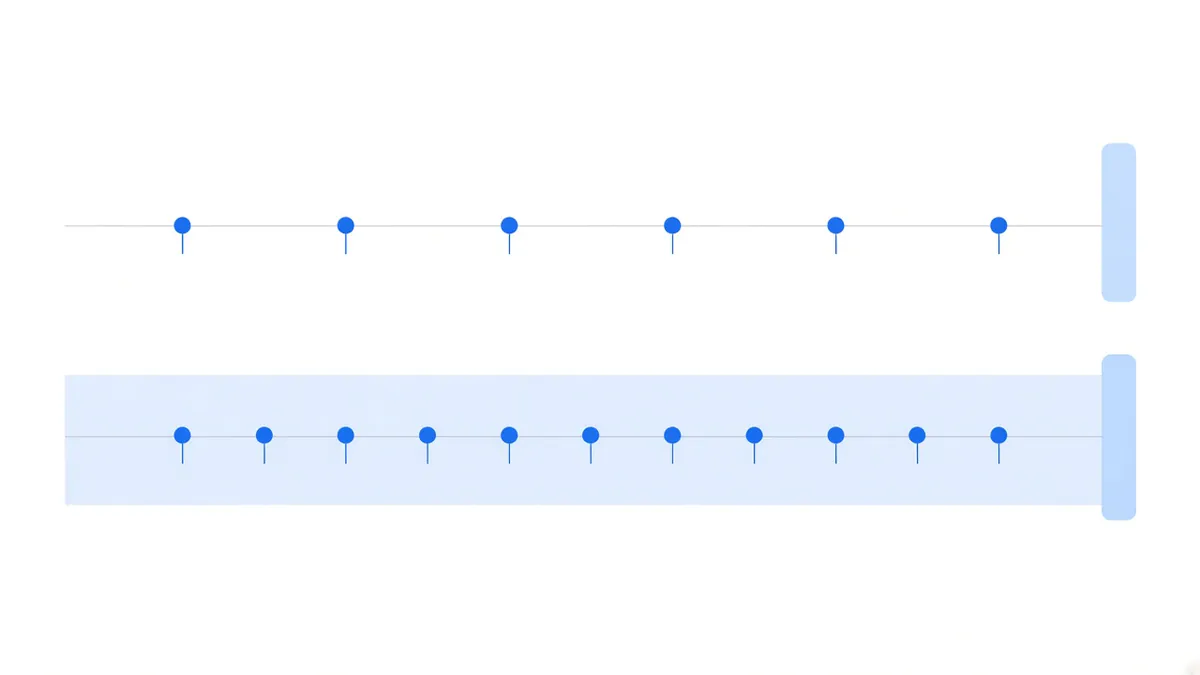
$571 million of longs liquidated: the side that was cleared out is the side that pays funding
Longs took about $571 million of the 24-hour liquidations. Shorts took only about $100 million, after the Clarity Act failed a Senate procedural vote on 16 September. When funding is positive the longs are the ones paying, so this flush hits the return source itself.
XBTUSD settles its last funding period: the 8-hour clock was BitMEX's rule
BitMEX settles XBTUSD at 12:00 UTC on 16 September and closes on the 23rd. The 8-hour funding cadence every perpetual still runs on is the rule it wrote in June 2016.
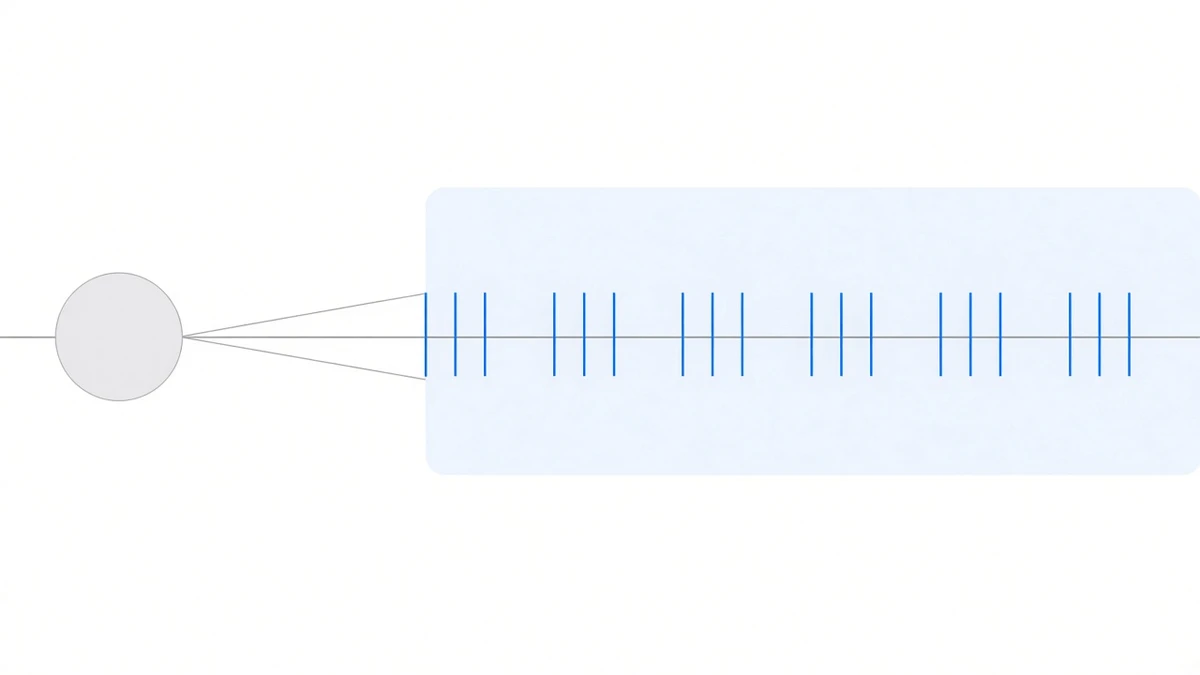
The 10-year Treasury touched 5%. Funding has annualised at 2.82% this year.
The US 10-year yield hit 5.041% on 15 September, its highest since 2007. The same day, BTCUSDT funding added up to 1.989% across 774 periods year to date — 2.82% annualised, under the lower bound of the fed funds target range.
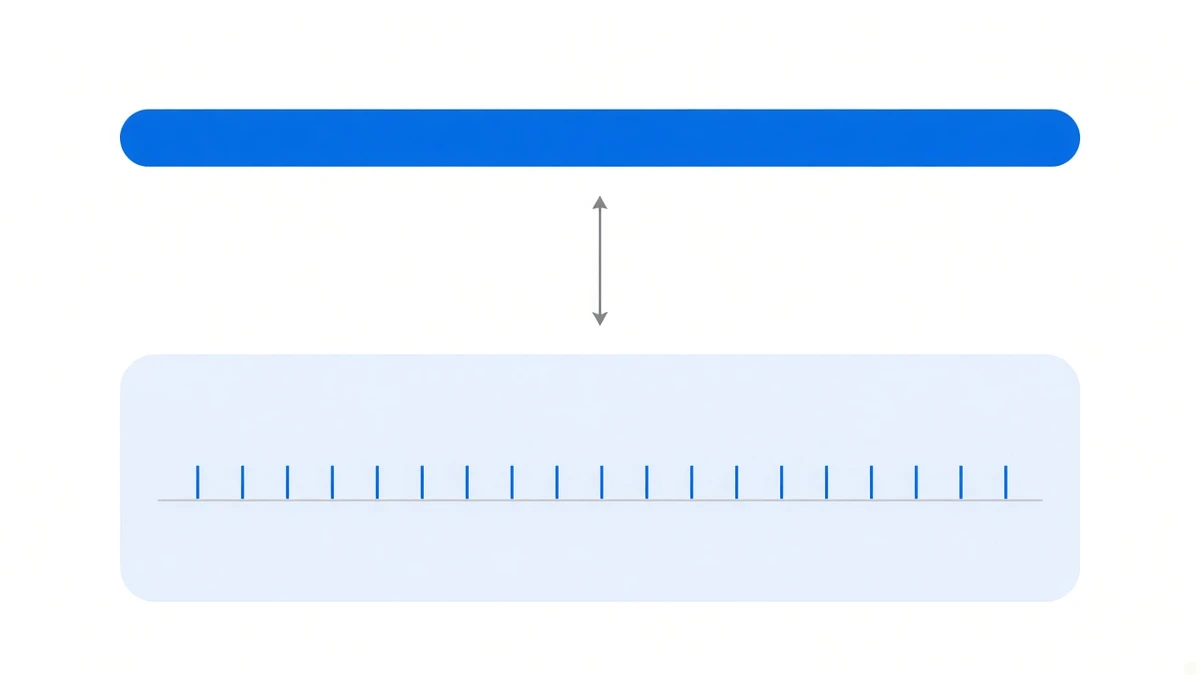
BTC broke below 78k and funding never turned negative
Bitcoin fell through $78,000 on 29 August. Liquidations hit $82.54M in 24 hours with longs at 87.6%, yet funding printed 0.0086% per 8 hours and all 21 periods in the window stayed positive.

SafeArbitrage V2 console: funding returns now drill down four ways
The new console splits funding returns four ways. All-time, daily, monthly and annual views each drill from an operator-level roll-up all the way down to the month-by-month cells of a single account.

Funding collector rebuilt: settlement equity is now recorded too
The collector now records account equity at the settlement instant. Return and equity are read together at every settlement point, so the denominator no longer depends on a snapshot taken after the fact. Cadence is resolved per symbol rather than assumed to be three a day, and history can be backfilled by date range.

Subscribe: RSS