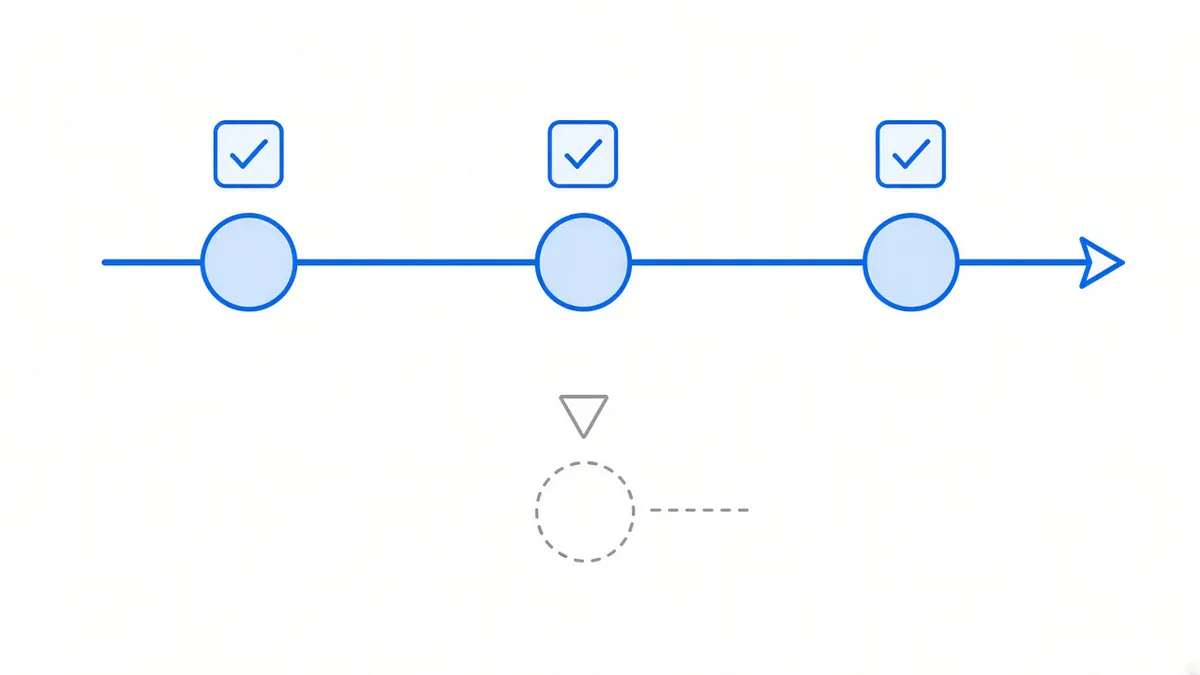
Plenty of people only ask this at the last step. It should be the first. Three stages, taken apart:
- How the return is credited — when it becomes yours.
- How the principal comes out — at term, and early.
- What you can see — and what you cannot.
That last clause is the point of this piece. First the other two.
One: the return is credited period by period, not once a year
Funding is a period-by-period event to begin with: perpetual contracts settle every eight hours (00 / 08 / 16 UTC), roughly 1,095 periods a year. The return is credited on that rhythm, not as a monthly or annual lump sum dropped in at the end.
There is a quiet but decisive accounting question here: the denominator of the return rate is taken from the account equity snapshot at the moment of settlement, not reconstructed afterwards. How the denominator is chosen determines whether the percentage looks good — pick a smaller denominator after the fact and the same payment writes up as an entirely different number.
Costs are deducted at the same time, all four of them: contract-leg commission, spot-leg commission, scaling-capital interest, and slippage. Scaling-capital interest settles at 0 for the current period — the capital used to scale the principal does not accrue interest. We did not delete the line from the cost table because of that. It stays where it is, and the moment the funding arrangement changes, a number returns to that cell. A zero that can speak is worth more than a sentence claiming it is free.
Fees work at the same layer: all three plans carry the same 2% annual management fee, taken out of the return rather than billed to the investor separately; in a year where the return does not cover it, the platform collects less and does not bill the shortfall back.
Two: two routes for the principal — at term, and early

At term follows the tier’s investment period. Terms rise by tier from 1 to 5 years, with amount tiers of 5,000–20,000, 20,000–100,000 and 100,000 and above. Note that amount tiers set entry size, term and service level — they do not set the split.
Early exit depends on the plan. The capital-and-yield-protected plan states it explicitly: principal may be returned early, credited within 7 business days, with no penalty. Other tiers follow their own term conditions; the full wording per tier is on the pricing page.
This is worth reading before signing rather than on the day you want to leave. If a product writes “how you get out” vaguely, that is not an oversight.
Three: what you can see
Funds are custodied in a dedicated platform account with separate bookkeeping. Custody is not a slogan; its price is that you have to be able to see things. Six items are visible in real time on the investor side:
| Visible item | The question it answers |
|---|---|
| Balance | What is in the account now |
| Transaction detail, line by line | What actually happened on each one |
| Holdings | What each of the two legs currently is |
| Return curve | How it got from then to today |
| Subscription record | Which tier you actually signed |
| Withdrawal progress | Where the money is in the queue |
The most underrated of the six is line-by-line transaction detail. An interface that shows a total return curve but no per-transaction detail gives you no way to tell whether that curve came out of real trading or was typed in.
Four: one thing you cannot see — the solvency ratio
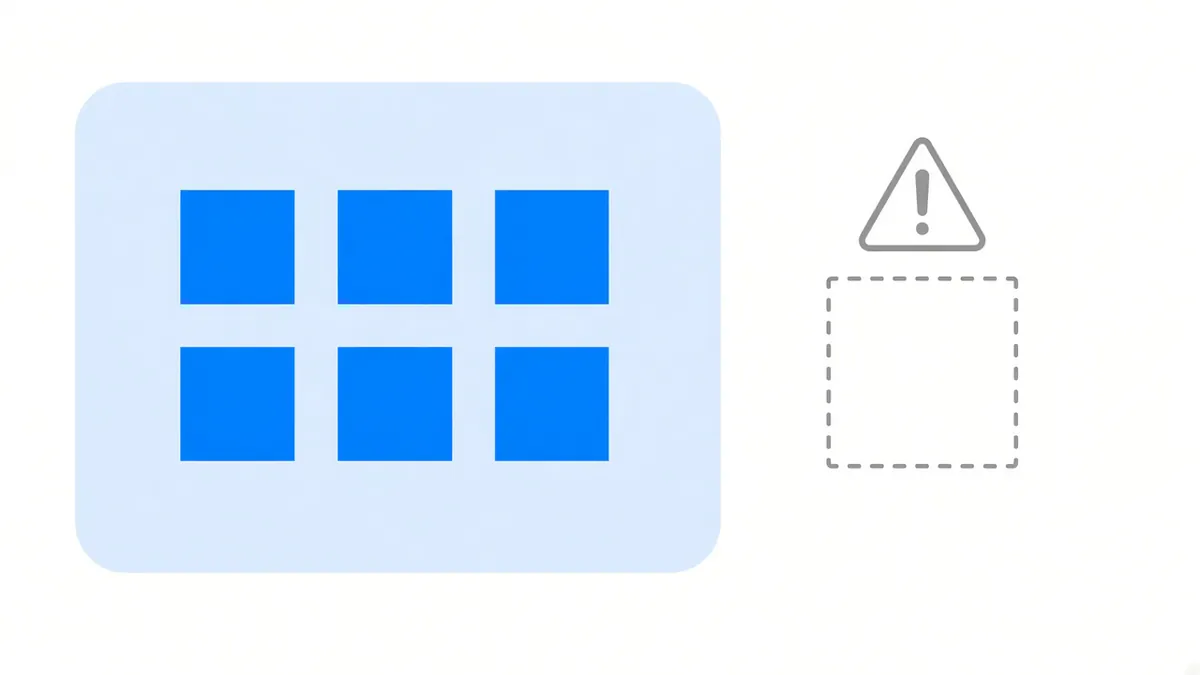
This section could have been left out, and leaving it out would have been an omission.
The solvency ratio is not on the investor-side list. It is recorded daily and can be traced back 30 days, and when it falls below threshold the platform overview page raises an alert at the top — but that is an operator-side view. The investor side does not show it.
It is written down here because it directly shapes how you assess risk: what you can reconcile line by line is your own account, while the platform’s overall ability to pay is outside that scope. These are two different things and should not be described as one.
It is also why platform credit risk is a genuine category under a custody arrangement: the floor and the principal guarantee are honoured by the platform itself, and the ability to honour them is something you cannot verify directly from the investor side. The strategy removes directional price risk; it does not remove this one. Who carries which risk goes through them one by one.
Take these questions anywhere
None of the above is a standard we invented. It is just a set of questions that can be asked of anyone:
- Is the return credited period by period or settled once at maturity? If period by period, can you see each period?
- How is the denominator of the return rate chosen — taken at settlement, or picked afterwards?
- Where do the fees come out of? In a year the return does not cover them, will you be billed the difference?
- What exactly are the early-exit terms? How many days to credit, and is there a penalty?
- Which figures can you check yourself, and which can you not?
The fifth is the one that discriminates. Somewhere that can tell you straight “these items you cannot see” is worth more of your attention than somewhere claiming total transparency. Four questions to settle before choosing a platform is the same line of thought, extended.
For how funds are custodied and how API permissions are constrained, the security page is the most direct; for how the two legs and the four costs are pinned down, see how it works; most of the loose ends are in the FAQ.
Repeating the part that cannot be left out: custody, the floor and the principal guarantee are all honoured by the platform, so platform credit risk exists; the arbitrage strategy itself still carries market risk, and principal on the unprotected plan can lose money.
Sources: settlement rhythm, cost basis and the list of visible items reflect current system behaviour; entry size, term, management fee and early-exit conditions come from current product terms. Nothing here is investment advice.