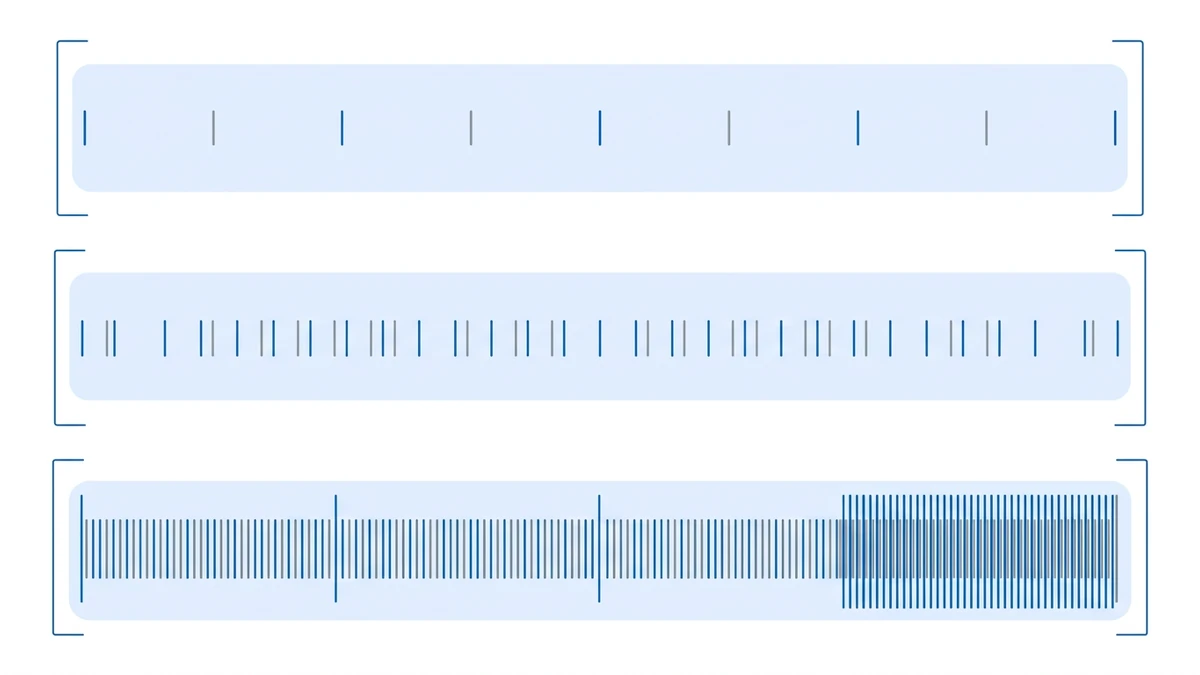
Before comparing funding across two contracts, ask for three numbers: how long the window is, how many settlements each contract had in it, and the average rate per settlement. A cumulative figure blends “a high rate” with “settles often” into one number, and a single-period rate hides how many times a day it is charged. A leaderboard that shows only one of these cannot be used to rank contracts directly.
We already cover which settlement intervals exist and what happens to annualized figures when an interval changes. This piece is about what to do once you have a leaderboard in front of you: split it apart, then compare.
Same window, more than twice the settlements
From our market-wide data, take the 30 days ending 2026-10-08 06:00 (UTC+8). Of the 529 contracts with at least 60 settlements in that window, 444 had a positive cumulative rate. Look at settlement counts at the two ends:
- The 12 contracts with the highest cumulative funding all had 165 or 180 settlements;
- The 6 with the lowest had between 180 and 392.
For reference, 30 days contains 90 settlements on an 8-hour interval, 180 on a 4-hour interval, and 720 on a 1-hour interval. 180 is exactly one full 4-hour window. 392 is more than double that, so the contract settled on a denser interval for at least part of the window. 165 is short of a full 4-hour window: the contract may have listed mid-window, changed interval, or be missing records. The count alone cannot tell you which; check the first settlement time and the exchange notices.
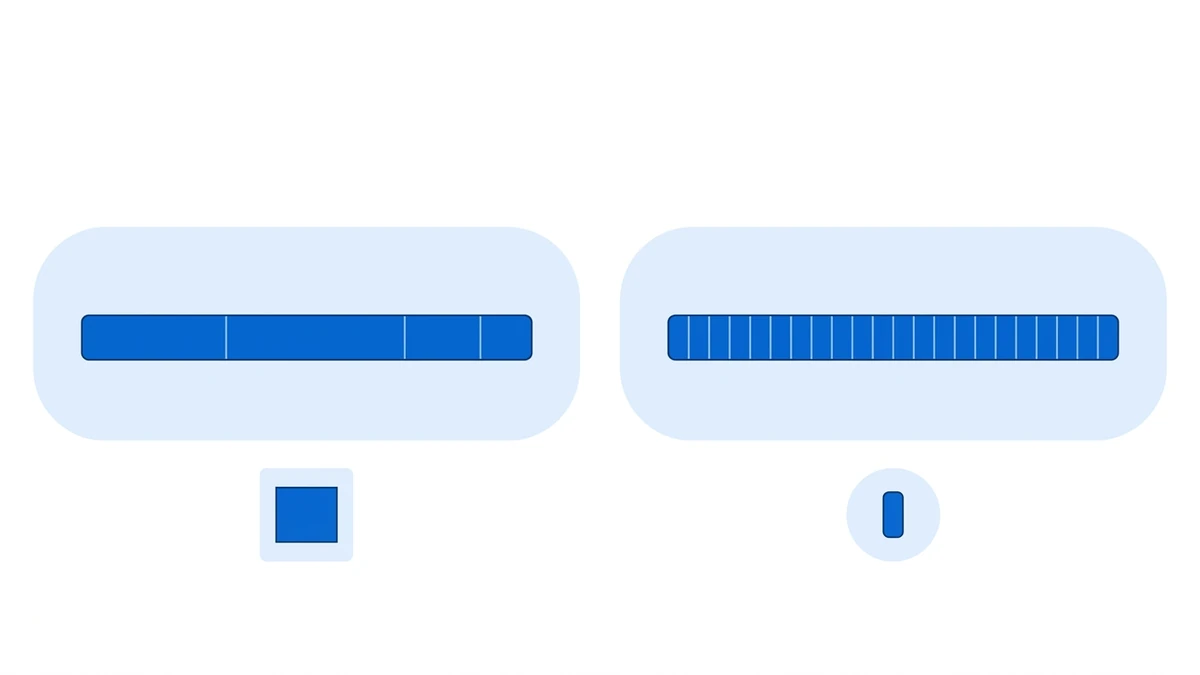
Split the total into settlements times average rate
| Contract | 30-day cumulative | Settlements | Average per settlement |
|---|---|---|---|
| 1000000BOBUSDT | +12.47% | 165 | +0.0756% |
| AINUSDT | +9.64% | 180 | +0.0535% |
| ARKUSDT | −37.32% | 357 | −0.1045% |
| STEEMUSDT | −24.67% | 180 | −0.1370% |
| ONEUSDT | −54.67% | 367 | −0.1490% |
| LSKUSDT | −67.34% | 392 | −0.1718% |
Ranked by cumulative funding, ARKUSDT (−37.32%) looks much worse than STEEMUSDT (−24.67%). Ranked by average per settlement, the order flips: STEEMUSDT at −0.137% per period is more extreme than ARKUSDT at −0.105%. ARKUSDT’s larger total comes mostly from settling almost twice as often in those 30 days.
Each number answers a different question. The cumulative figure tells you what a position actually paid or received over the window. The per-settlement average tells you how extreme the rate itself is, and what the same rate would turn into if the interval changes again. Using only the total mistakes frequent settlement for a higher rate; using only the per-period rate understates the real cost of high-frequency contracts.
Four steps before any comparison
- Fix a common window. State start, end and time zone. One leaderboard’s “last 30 days” may count back from the last settlement, another’s from build time.
- Count actual settlements and compare with the expected number. Derive the expected count from the announced interval. Investigate any gap before treating “not collected” as “zero funding.”
- Show the total and the per-settlement average together. Which one you sort by depends on the question, not on which number looks better.
- If the interval changed inside the window, calculate in segments. Apply each segment’s own interval; never back-fill history with the latest one.
Annualize last, if at all. Annualizing assumes both the rate and the settlement rhythm repeat, and the table above shows that the rhythm itself can change within a month.
How this fits with related articles
- Three intervals in use and which contracts were moved to hourly: Binance funding settlement times
- Does moving from 8-hour to 4-hour settlement double the annual rate? Two exchanges give opposite answers
- The market-wide distribution and median: summing this year’s funding for 450 contracts
- Live figures: funding rate data page
All figures come from the 30-day window ending 2026-10-08 06:00 (UTC+8). They do not describe current rates, and nothing here recommends a contract. Negative funding, execution friction and margin risk can all leave real results far from any leaderboard.