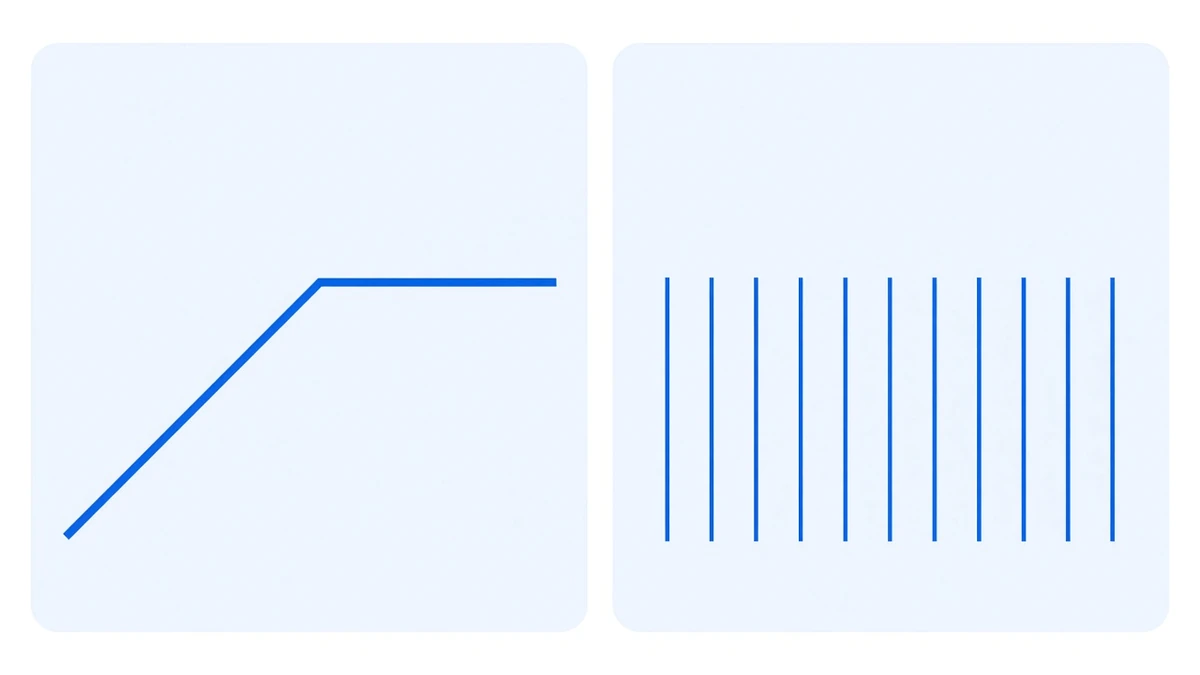
Dual investment — sometimes sold as dual currency products, or “buy low, sell high” — routinely shows up at the top of the yield page with double- or triple-digit numbers. It is not a scam, and the mechanism is fully disclosed. But its money comes from one specific thing, and that thing is rarely printed on the card:
You sold an option.
Funding rate arbitrage sold no option. That is the fundamental divide, and the rest of this piece takes it apart.
What dual investment actually is
Two shapes, which are the same thing pointing two ways:
“Buy low” (subscribe with USDT). You deposit USDT, pick a strike and an expiry. If the price is above the strike at expiry, you get USDT back plus interest. If it is below, you get back coins converted at the strike, plus interest.
“Sell high” (subscribe with the coin). You deposit the coin. If the price is below the strike at expiry, you get coins back plus interest. If it is above, you get back USDT from selling at the strike, plus interest.
Swap the vocabulary and it is clear: the first is selling a put, the second is selling a call. That “interest” is the premium you received.
It also explains why the headline is so high: option premiums are priced off volatility. The jumpier the coin and the closer the strike to spot, the fatter the premium. That is not money appearing from nowhere; it is what the market pays you for carrying the possibility.
Three things that get misread
One: the headline is an annualisation, not something you can keep collecting.
These products often run a few days. A seven-day product paying 1% annualises to 52%. But holding that for a year means subscribing 52 times, and the strike, the premium and the market are different every time. Multiplying one period’s return by the number of periods assumes the other 51 will be available on the same terms.
Two: “getting converted” is not a neutral event.
The common pitch is “you earn either way, worst case you end up holding the coin.” The problem: you are always converted into whichever side is the worse one at that moment.
Subscribe with USDT and you only receive coins when the price has fallen — the instant you take delivery, it is below the price you agreed to accept. Subscribe with coins and you only convert to USDT when the price has risen — the instant you sell, you sell below market.
Only one thing is true in both branches: you keep the premium. For the other half, you always end up with the worse side.
Three: the upside is capped, the downside is not.
That is the classic short-option shape. The best case is the premium, exactly, and no more. The further the price travels against you, the larger the loss on the side you now hold, and the premium only covers the first small stretch of it.
What funding rate arbitrage sells: nothing
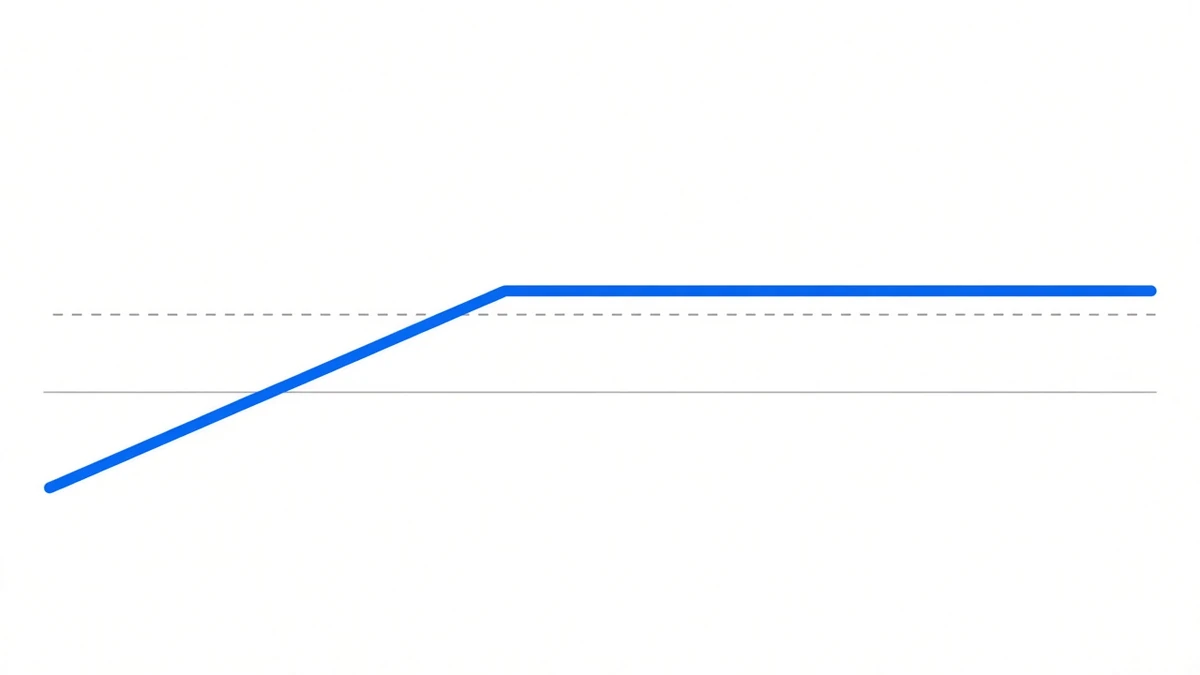
Spot long plus perpetual short, notionals matched. No strike, no expiry, nobody holding a right to exercise against you at some price.
One income line: funding, every eight hours. When the contract trades above spot, longs pay shorts. That payment is not a premium, it is not priced off volatility, and it does not require you to promise anything. See what is a funding rate.
Put differently: in dual investment, where the price ends up decides what you get back. In a balanced two-leg position, where the price ends up decides nothing about what you get back — only funding does.
Side by side
| Dual investment | Funding rate arbitrage | |
|---|---|---|
| Who pays | The option buyer, as premium | Perpetual longs, period by period |
| Return driven by | Volatility, strike distance, tenor | The gap between contract and spot |
| What you hold at expiry | One of two currencies, price decides | Same currency as the principal, plus funding |
| Payoff shape | Capped up, uncapped down | Uncapped, but depends on funding being positive |
| Expiry | Yes, usually no early redemption | None, perpetuals have no delivery date |
| Worst case | Price runs one way, you hold the worse side | Funding at zero or negative for a long stretch |
The third row is the point. Dual investment’s principal can turn into a different asset; a balanced two-leg position’s does not — you deposit USDT and you get USDT back. A high-yield product that may convert your principal into another coin and a lower-yield product whose principal stays the same thing are not comparable on one axis.
The same limit applies here: the currency staying the same is not the same as the amount not falling. Periods where funding turns negative are paid out of pocket, and the perpetual leg still posts margin and can still be liquidated. Who carries which risk goes through them one at a time.
But options can be delta neutral too
They can, and that is a different thing. Delta neutrality in options relies on continuous re-hedging, and it swaps directional risk for volatility risk — you stop betting on direction and start betting on how much it moves.
Dual investment does not even take that step: it is a naked short option with no hedge leg. That is not a flaw, it is the product design — but it does mean filing it under “delta-neutral yield” is wrong. Delta neutral explained separates the three uses of the term.
Our numbers, ugly cells included
From our own period-by-period settlement records, as of 2026-08-25 13:42 UTC, summed rather than compounded.
Across 2021–2025, the five complete years where every settlement can be checked, the ten BTCUSDT and ETHUSDT cells average 12.43% raw, or 124.296% with capital scaled 10x.
That is much lower than the headline on a dual investment card. The two are not the same kind of number: one is a five-year average of ten cells that actually happened, the other is a single period’s premium scaled up by its tenor.
The ugly cells belong here too:
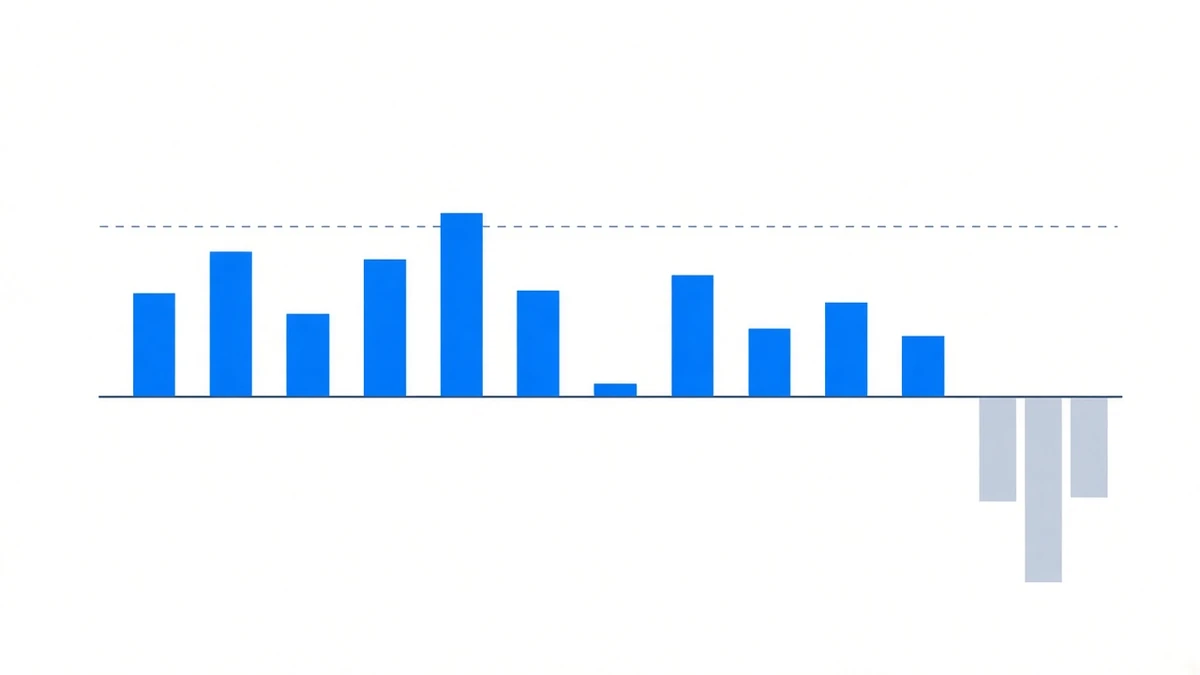
- ETHUSDT in 2022: 0.787256% for the year, 7.873% scaled.
- SOLUSDT year to date: −1.125987% (711 periods, about 237 days). BTCUSDT over the same snapshot is +1.589788%.
Three questions for any high-yield card
- What is the tenor, and by how much was it multiplied? Seven days to a year is ×52. Holding it for a year means subscribing 51 more times on terms that change each time.
- In the worst case, do I get back the same asset I put in? If not, it is not a fixed income product.
- Who pays this, and why are they willing? If you cannot answer, there is no point reading further into the terms.
The second is the cheapest filter of the three. It needs no knowledge of option pricing — only that you turn the card over and read the settlement rule.
For how staking and lending sit against this, see same idea, different money; the wider line-up is on the yield comparison page.
To finish the sentence properly: balancing two legs removes directional price risk, not all risk. Funding goes to zero and turns negative — 2022 and this year’s SOL are how those lines got there. Good numbers this year do not imply good numbers next year.
Sources: our own figures come from the backend period-by-period funding snapshot, as of 2026-08-25 13:42 UTC, averaging only the complete years where every settlement can be checked. The description of dual investment reflects the common structure of these products; the actual strikes, tenors and settlement rules are whatever each platform’s own terms say. Past performance does not indicate future results. This is not investment advice.