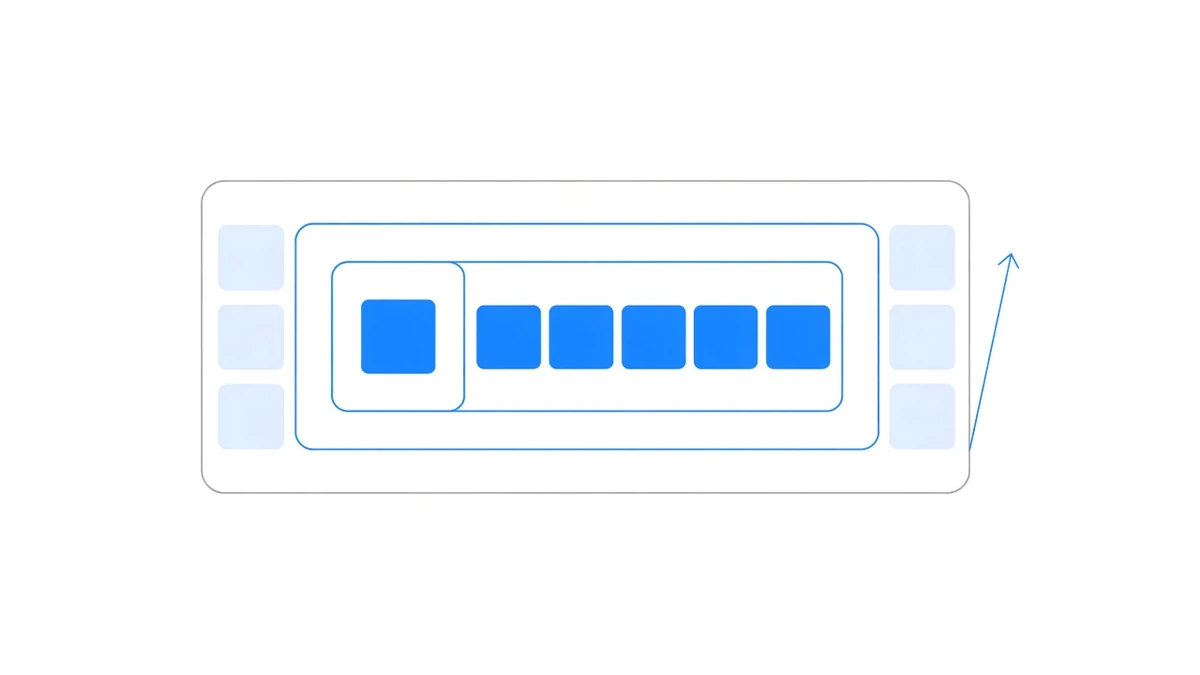
The first time a funding-rate arbitrageur gets liquidated, it is rarely because they called the market wrong. A hedged book has no direction to call. It happens because the exchange priced the risk without looking at both legs at once.
Take the same position — spot long, perpetual short, equal size — and put it under isolated margin, cross margin, and portfolio margin. The margin requirement and the liquidation price come out meaningfully different in each. Here is why, and why we wrote a fallback path before shipping portfolio margin support.
Where the risk actually comes from
The standard structure is simple: buy spot, open an equal short on the perpetual, collect the funding payment that settles every period. Price exposure nets to roughly zero — if the coin rallies, spot gains and the short loses by about the same amount.
The catch is where that offset lives. When price rises, the short’s unrealised loss is deducted from margin in the futures account immediately. The matching gain sits in the spot account, which the futures account cannot see. As far as the futures engine is concerned, there is one position losing money. Once it falls below maintenance margin, it gets liquidated — even though the book as a whole has not lost a cent.
That is the entire reason a perfectly hedged book can still be liquidated. The margin mode decides how much the exchange is willing to count when it does that arithmetic.
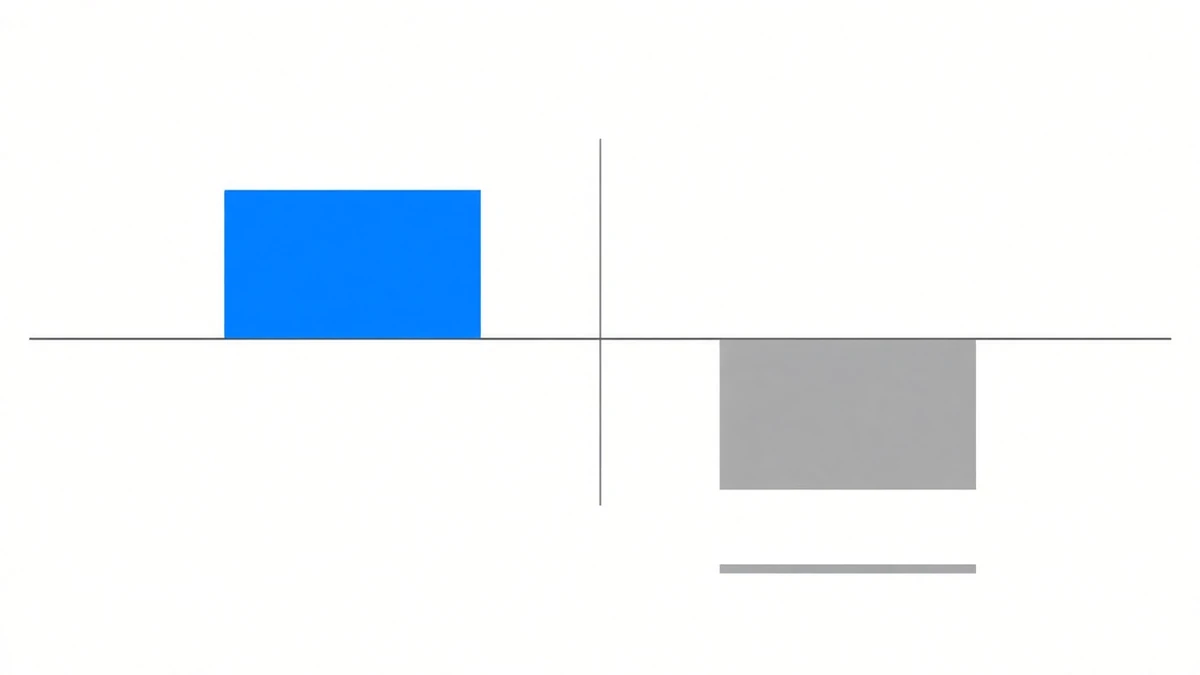
Three modes, three calculations
Isolated: only the amount you ring-fenced
Isolated margin assigns a fixed block of collateral to each position. If it is exhausted, that one position closes and nothing else is touched. For directional speculation this containment is genuinely useful.
For arbitrage it is the worst of the three. Say you ring-fence 2,000 USDT behind the short. That 2,000 is the entire defence. How far price has to rise before liquidation is a calculation involving only that number — your spot holdings do not enter it at all. The more spot gains, the closer the short is to liquidation, and the gaining side is the side you are being paid on.
Cross: the whole futures wallet
Cross margin treats the full futures wallet balance as shared collateral across positions. The same short, backed by whatever idle balance is sitting in the wallet, survives a much larger move.
The trade-off is that containment is gone: one position blowing through its margin drags everything else in the wallet with it. Worth settling before you run a multi-asset book.
More importantly, cross still does not count spot. It thickens the defence; it does not fix the arithmetic.
Portfolio margin: spot counts as collateral
Portfolio margin is the only mode that recognises, at the algorithm level, that the two legs are one position. Spot holdings count as collateral, and risk is measured against the net exposure of the whole book rather than the unrealised loss on a single line.
For a genuinely hedged book the margin requirement drops substantially, because net delta is close to zero to begin with. When price rises, the system sees the short’s loss and the spot gain at the same time and does not single out the former.
This is not a discount. It is the correct number. The other two modes are undercounting.
So why not always use portfolio margin
Three practical reasons.
Not every account qualifies. Portfolio margin has eligibility requirements and is not available for every region or account type. When we added portfolio margin support we wrote a fallback alongside it: accounts that cannot get the permission run on the standard USDⓈ-margined path instead, so one missing entitlement does not stall the whole pipeline.
It unifies the risk too. The flip side of spot counting as collateral is that spot price moves now feed straight into available futures margin. When the collateral itself falls in value, both sides tighten at once. Worth keeping in mind around stablecoin depeg scenarios.
Collateral has haircuts. Different assets count at different ratios, not one-for-one at face value. Run the spot leg in a thin altcoin and the margin it actually supports can be far less than you assumed — one more thing to weigh when picking which coins to trade.
Picking a mode is not a one-time decision
Exchanges adjust contract specifications as market risk changes, and leverage and margin tiers are both in scope. Binance revised the tiers on a batch of perpetuals on 24 September. When a tier moves, the maintenance margin rate on an unchanged position moves with it, and the liquidation distance you calculated last week is no longer the real one.
So “set the mode and forget it” does not hold. What has to be maintained is a recurring action: position changed, tier changed, collateral price changed — recompute the distance.
The hard part is operational, not conceptual
Everything above is understood on first reading. The difficulty is that it has to keep being done.
BTC perpetuals settled 7,416 times between January 2020 and 8 October 2026, and 85.95% of those periods carried a positive rate (our snapshot as of 2026-10-08 06:00 +08:00). Every settlement shifts the relative value of the two legs, and every shift can take a little off the liquidation distance. Rebalancing is not really about delta — it is about margin.
That is part of what our system handles: prefer portfolio margin, fall back when the permission is not there, and watch the liquidation distance continuously rather than only watching the funding rate. The rate is the income; the margin mode decides whether you get to keep it.
One closing note: the above describes a mechanism, not a guaranteed outcome. Rates turn negative, collateral falls in value, exchanges change the rules. All three happen — the 2022 row on our performance page is what that looks like.