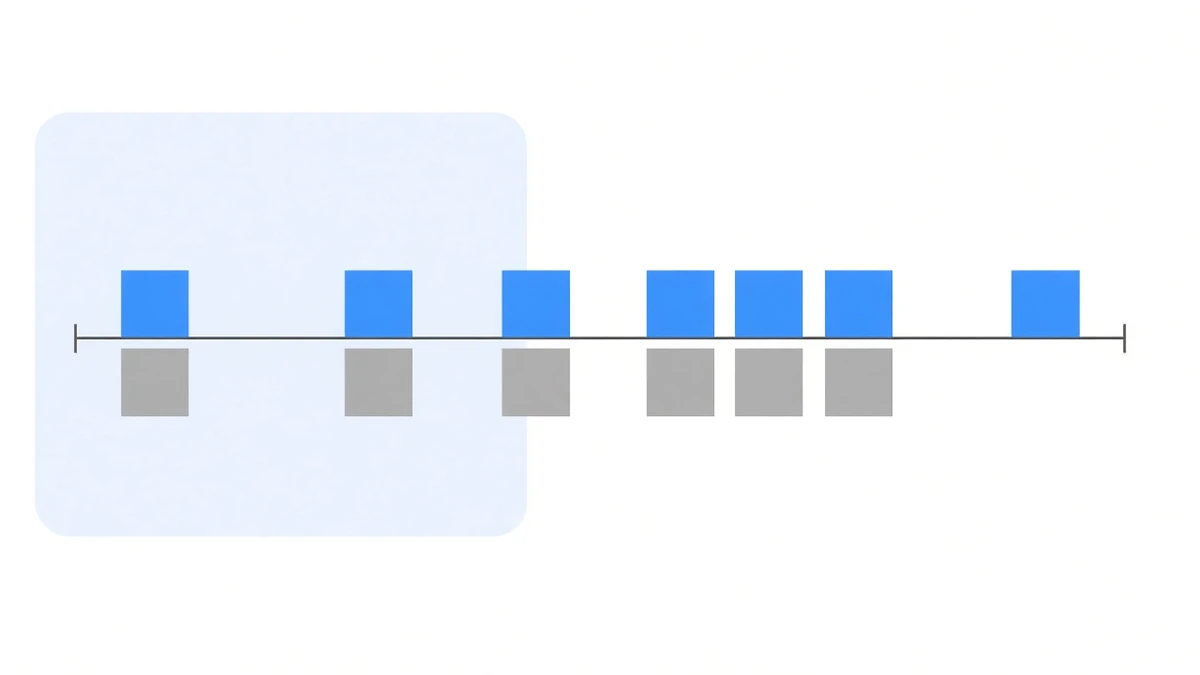
When an exchange delists a perpetual, a directional holder simply gets closed out and settles up. For a two-legged arbitrage book it is a different event entirely: the short leg is taken away by force and the spot leg is still there. From the moment settlement completes, what you hold is no longer a neutral book — it is an outright long.
This covers the timeline, the clause about the final hour that is easy to skim past, and the order in which to unwind.
The timeline has three marks, not one
Using the Binance batch of 5 October 2026 as the example, the announcement set out three:
- 08:30 UTC — no new orders. Precisely, no new orders that are not reduce-only; closing is still allowed.
- 09:00 UTC — all positions settled automatically.
- Delisting follows once settlement completes.
That half hour is the only discretionary window, and it can only be used to reduce. More to the point: the window is defined in UTC and will not shift because it is the middle of the night where you are.
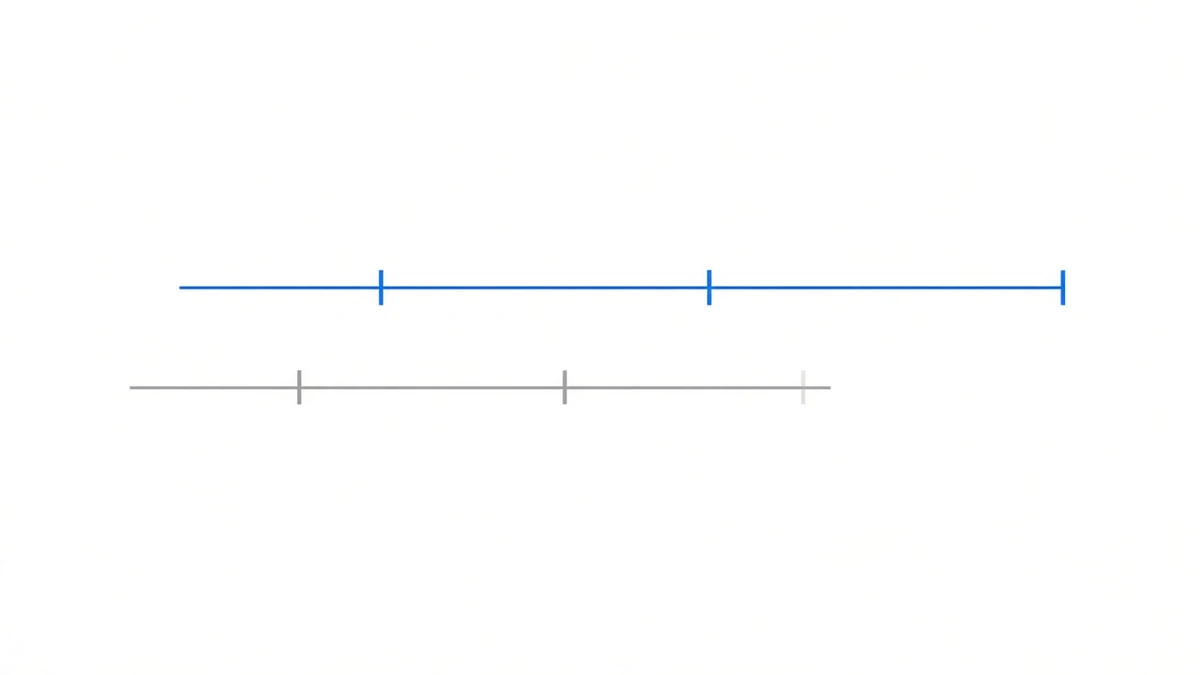
The same contracts run on different clocks at different venues. For those three, BingX stopped new positions at 03:00 UTC and delisted with automatic closure at 07:00 UTC — a full two hours ahead of Binance. If you are hedged across venues, the legs do not disappear together, and you are one-sided for those four hours in between. That is the core lesson from the same contract delisted at four venues 23 days apart.
In the final hour, liquidation changes shape
This is the clause most people skim, and the one that matters most if you are still carrying.
Normally the exchange’s insurance fund stands behind a liquidation, absorbing shortfall. But in the final hour before scheduled settlement, Binance states the insurance fund will not be used to support liquidation for that contract. A liquidation triggered in that hour is executed as a single IOC (immediate-or-cancel) order, offloaded into the market in one attempt.
If that one attempt does not bring the position back above maintenance margin, the remainder is resolved through ADL — auto-deleveraging — and handed to counterparties.
Put together: liquidity in the last hour before a delisting is already draining, and it is precisely in that hour that slippage protection is weakest, the backstop withdraws, and you get one fill attempt. Leaving the unwind until then is handing your execution price to chance.
The order to unwind in
One rule carries most of the weight: both legs go together, and you move them yourself rather than letting automatic settlement move one for you.
- Schedule it the day the announcement lands, not the day of. Those three Binance contracts were announced on 1 October for execution on 5 October — four clear days.
- Close the perpetual short, then sell spot immediately — the shorter the gap the better. Selling spot first also works. What does not work is doing half.
- If you want to keep trading the asset, check whether other venues are delisting it too. Binance and BingX dropping the same three on the same day was not a coincidence.
- Reconcile afterwards. Automatic settlement runs on the mark price, which is not the price you would have traded at. That gap belongs in return attribution, not in the funding line.
Which contracts tend to get delisted
There is a counter-intuitive pattern: the names at the top of the funding leaderboard are often the ones on the shortlist.
The two highest cumulative funding rates in our database over the trailing 30 days belong to two of the contracts delisted on 5 October. Both show 165 settlement periods inside that window where comparable four-hour contracts show 180 — the missing 15 periods are the silence after delisting (snapshot as of 2026-10-08 06:00 +08:00).
The mechanism is not mysterious. Very high funding means a severe long/short imbalance, and the assets capable of that imbalance tend to be thinly traded, concentrated in open interest, and volatile at the project level — which are among the things an exchange weighs in a delisting review. So chasing the leaderboard carries a risk that is not printed on the leaderboard.
There is a more basic version of this too. Our database now covers 534 symbols, and exactly two of them — BTC and ETH — have more than two years of continuous history. The rest are overwhelmingly recent listings. The shorter an instrument has existed, the higher the chance it disappears while you are holding it.
The spot leg disappears too
Delisting is not confined to the derivatives side. When a spot or margin pair is removed, the leg you lose is the other one. When Binance removed five margin pairs on 17 September, the spot leg of the trade was frozen for three hours.
The more extreme case is a perpetual that never had a spot market to begin with. A substantial share of the names near the top of the funding leaderboard have no spot pair at all — however high the rate, there is no second leg to build.
This was never a “deal with it when it happens” problem
Delisting announcements do not arrive on your schedule. Like margin tier revisions and settlement interval changes, they land at random, and the response window is often days or hours. This is the hardest line to estimate in what running this yourself actually costs in time: not a fixed number of minutes a day, but the requirement to be reachable.
Our system treats contract lifecycle as a standing monitor rather than something to scramble over. Be clear about the limit, though: the delisting itself is the exchange’s decision and no participant can change it. All anyone can do is be out before the final hour. The full picture of counterparty exposure is in both legs sit inside an exchange.