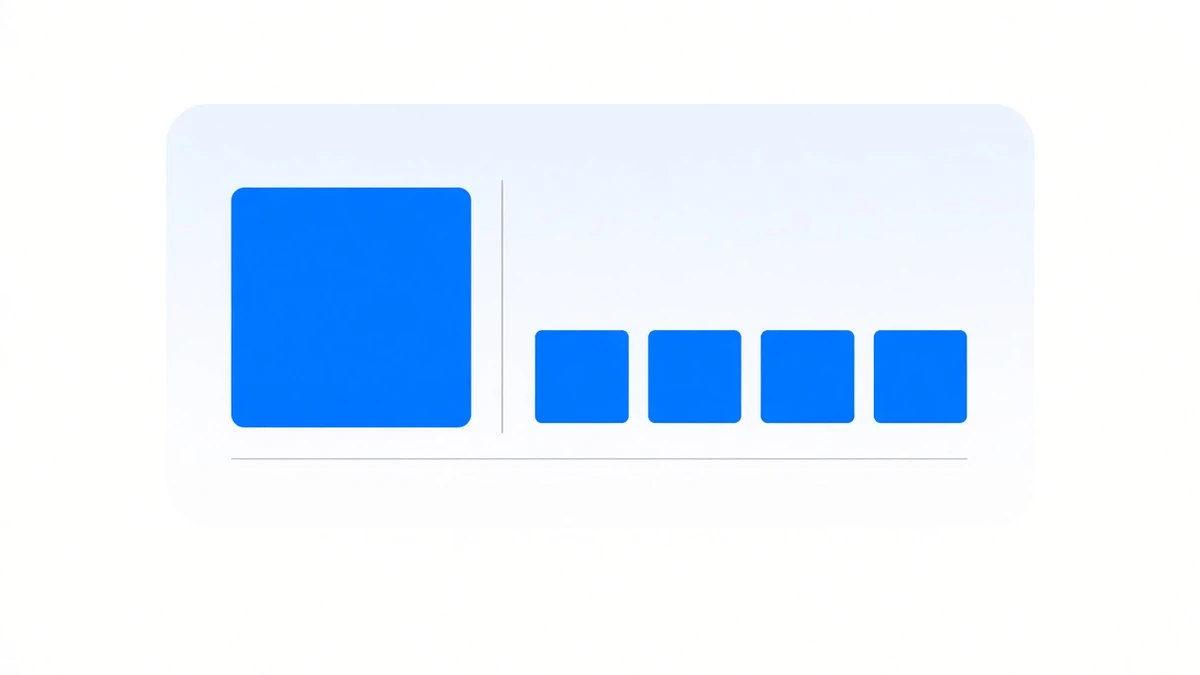
Past a certain size, the first instinct is to split the book across several accounts. That instinct is half right.
Splitting genuinely solves two classes of problem. It does not solve the one that actually caps your size. Separate the three walls first, then decide.
Wall one: the margin tier ladder
Exchanges bracket each contract by position size: the larger the position, the higher the maintenance margin rate and the lower the available leverage. This is a step function written into the rules, not a negotiable term.
Binance revised leverage and margin tiers on a batch of perpetuals on 24 September. When a tier moves, the maintenance margin rate on an unchanged position moves with it, and the liquidation distance you calculated is immediately stale.
This wall can sometimes be worked around by splitting, depending on how the venue aggregates positions held by the same entity — many consolidate sub-accounts, and after consolidation splitting achieves nothing. Read that specific exchange’s terms before acting; do not generalise from another venue’s behaviour.
Wall two: market depth
This one splitting definitely does not get around.
The order book does not thicken because you switched accounts. For a given instrument, the first million and the fifth million face the same book, and the later clips simply cost more in impact. Firing the order into four accounts simultaneously produces much the same outcome as four sequential clips from one account — arguably worse, since you lose unified timing.
How much capital a book absorbs, and which ceiling you hit first, is covered in how much money a funding-rate arbitrage book can hold. One figure to add here: our database covers 534 symbols, and exactly two — BTC and ETH — have more than two years of continuous history (snapshot as of 2026-10-08 06:00 +08:00). The set that is both deep enough for size and long-lived enough to rely on is a small corner of those 534.
Wall three: operational load
This one you build yourself.
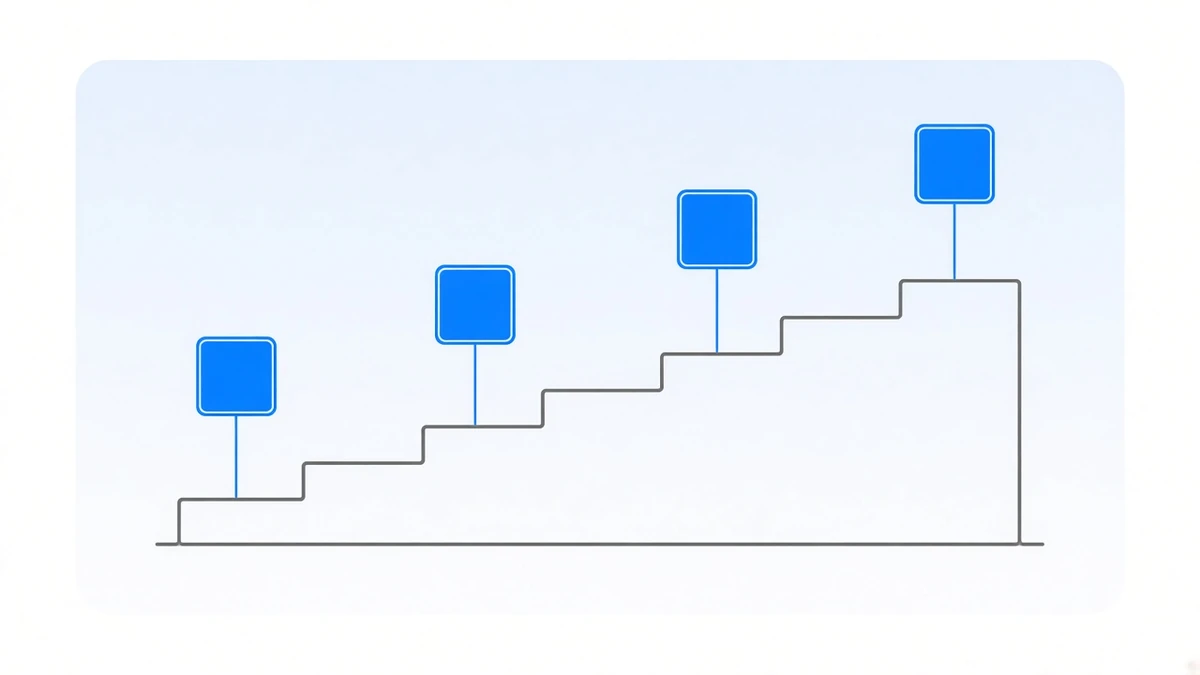
Double the accounts and you double what needs watching: each account’s own liquidation distance, its own API keys and permissions, its own settlement cadence, its own reconciliation. And the time cost was never a fixed few minutes a day — it is the requirement to be reachable at any moment, and more accounts raise the frequency of that “any moment”.
Keys deserve particular attention. Each additional account is another key pair and another possible point of leakage. Least privilege only becomes genuinely valuable once account counts rise, which is why we do not request withdrawal permission at all.
When splitting is actually right
Three cases, none of which is about getting around a limit:
Risk isolation. Different strategies or risk grades in different accounts, so one failing does not drag the other down. Same consideration as choosing cross versus isolated margin, at a coarser grain.
Permission separation. Execution, read-only and settlement on different keys, so no single leak surrenders full control.
Counterparty diversification. This one needs stating clearly: multiple sub-accounts at the same exchange do not diversify counterparty risk. If the exchange has a problem, every sub-account under it has the same problem at the same time. What actually diversifies is capital at different exchanges — and that brings its own issues, since the two venues quote different rates and change rules on different schedules. See cross-exchange funding rates and both legs sit inside an exchange.
A more useful order of operations
If the goal is scale, work through this before reaching for extra accounts:
- Confirm whether the current instrument’s depth absorbs the increment — this determines whether splitting means anything at all
- Check which margin tier the larger position lands in, and recompute the liquidation distance
- Consider adding instruments rather than accounts; spreading across assets usually helps capacity more than splitting does
- Only then split — and for isolation or permissions, not for limits
What our system absorbs at the multi-account layer is wall three: a unified position view, unified liquidation-distance monitoring, keys configured to least privilege. Walls one and two are set by the exchange and the market, and they stand at the same height for everyone.
Scale is not free either. Larger positions mean more rebalancing friction and higher impact cost, and all of it lands in return attribution. Growing the capital and improving the rate of return frequently point in opposite directions.